


RO Water Treatment System
Professional RO water treatment system supplier
Team composition
We have a team of engineers who can tailor water treatment solutions for customers. On-site installation & technical guidance services are also available. (for large projects)
Response speed
Quote within 12 hours, CAD or design drawings within 48 hours, and respond quickly to customer needs.
OEM design
We can customize products and LOGO and produce products according to customers' drawings, which is conducive to strengthening customers' brand effect.
Warranty and after-sales
All products provide a two-year warranty and lifetime after-sales service to help customers open the market without worries.
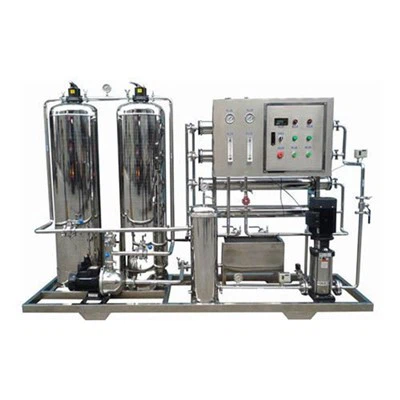
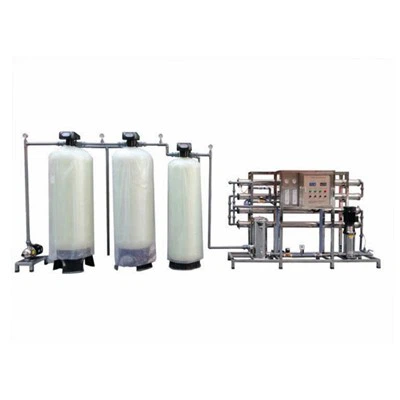


What is RO water system?
Reverse Osmosis, commonly referred to as RO, is a process where water is demineralized or deionized by being pushed under pressure through a semi-permeable Reverse Osmosis Membrane. In an RO water system, water is forced through this membrane, which traps impurities such as dissolved salts, chemicals, and other particles, leaving you with cleaner, purified water.
RO water treatment system can remove:
- Dissolved Salts and Minerals: RO membranes are highly effective in removing dissolved salts, including common ions like sodium, chloride, calcium, magnesium, and potassium. This makes RO systems efficient at desalination and reducing total dissolved solids (TDS) in water.
- Heavy Metals: RO membranes can effectively remove heavy metals such as lead, arsenic, mercury, cadmium, chromium, and others. These metals are generally larger and are effectively rejected by the semi-permeable membrane.
- Bacteria and Viruses: The small pore size(under 0.001um) of the RO membrane allows it to effectively block bacteria, viruses, and other microorganisms, providing a barrier against waterborne pathogens.
- Organic Compounds: Many organic compounds, including pesticides, herbicides, pharmaceuticals, and volatile organic compounds (VOCs), can be removed by the RO process. These compounds are typically larger and are effectively rejected by the semi-permeable membrane.
RO water treatment system cannot remove:
- Gases: RO membranes are not effective at removing dissolved gases such as carbon dioxide or hydrogen sulfide. These gases can pass through the membrane along with water molecules.
- Some Organic Compounds: Some smaller organic compounds, such as certain volatile organic compounds (VOCs) or very low molecular weight compounds, may not be effectively removed by the RO process. Additional treatment methods like activated carbon filtration may be necessary to target these contaminants.
- Non-Ionic Compounds: RO membranes have limited effectiveness in removing non-ionic compounds, such as some organic solvents and non-polar molecules.
Components of reverse osmosis system

The Raw Water System includes a raw water tank and a water pump. The raw water tank is used to store untreated water, and the water pump transports the water out of the raw water tank.
The pre-filtration system plays an important role in the entire reverse osmosis system. It consists of multiple key components, including FRP pressure tanks, filter media, automatic valves, central pipes, and water distributors.
The FRP pressure tank, filter material, automatic valve, central pipe, water distributor, and other components together constitute the pre-filtration system. These core components play a key role in the reverse osmosis system, ensuring that the raw water is filtered before entering the RO membrane. Get proper pretreatment and purification.
Please note that the above pre-filtration system is suitable for large-scale, industrial, and commercial RO systems. If it is a small, household filtration system, a cartridge filter and cartridge filter housing are generally used.
Of course, in actual use, there are also large water treatment systems that use cartridge filter housing as pre-filtration. The specific situation needs to be determined according to the specific water treatment needs.
The reverse osmosis system is the heart of the whole system. The pre-filtered water is pressurized and forced through the semi-permeable membrane. The membrane selectively allows water molecules to pass through, while contaminants are flushed away as waste. There are five components in the RO system: pressure water pump, RO membrane element, RO membrane housing, control system, and water storage tank.
A multi-stage centrifugal pump is usually required to pressurize the pre-filtered water and transport it to the RO membrane. It can increase the water pressure, control the flow rate, and circulate the liquid, which is an indispensable part of the reverse osmosis part.
The RO membrane, as well as the RO membrane housing, is not only the heart of the reverse osmosis stage but also the core component of the entire system. Water pressurized by a centrifugal pump is directed into the RO membrane module, consisting of a thin semi-permeable membrane made of polyamide or cellulose acetate. The membrane contains tiny pores or channels that allow water molecules to pass through while blocking most dissolved impurities such as salts, minerals, heavy metals, bacteria, viruses, and certain organic compounds. As water passes through the RO membrane, a portion of the water permeates through the membrane and becomes pure water. In contrast, the remaining portion continues as concentrated water, also known as "wastewater" or "concentrated water." The wastewater carries the excluded impurities and is discharged or directed to a drain. The purified water flows out separately and is stored in a water storage tank.
After passing through the RO membrane, the purified water undergoes post-filtration to enhance its taste further and remove any remaining odors. This stage typically involves using specialized filters, such as UV sterilizers, carbon purifiers, etc.
Maintenance of RO Water Treatment System
Filter Replacement
RO systems have pre-filters, including sediment filters and carbon filters, that help protect the RO membrane and improve overall system performance. These filters need to be replaced periodically, as recommended by the manufacturer or based on water quality and usage. Sediment filters may need replacement every 3 to 6 months, while carbon filters typically last 6 to 12 months. Regularly replacing filters helps prevent clogging and maintains the effectiveness of subsequent stages.
RO Membrane Maintenance
The RO membrane is a crucial component of the system and is responsible for removing dissolved impurities. Over time, the membrane may accumulate deposits and become fouled, affecting its efficiency. Membrane cleaning or replacement may be necessary, depending on the water quality and performance. Cleaning procedures vary based on the type of membrane and can include chemical cleaning or backwashing. Membrane replacement is typically required every 2 to 5 years, but this timeframe can vary depending on factors such as water quality and usage.
Sanitization
Periodic sanitization of the RO system helps prevent bacterial growth and maintain water quality. This involves disinfecting the system, including the storage tank, tubing, and fittings. Follow the manufacturer's instructions for appropriate sanitizing agents and procedures. It is generally recommended to sanitize the system annually or as advised by the manufacturer.
Pressure Monitoring
Regularly monitor the pressure of the RO system to ensure it falls within the recommended range. Low pressure can affect the system's performance, while high pressure can strain the components. Adjustments may be needed to maintain the optimal pressure and ensure efficient operation.
Leak Detection
Check for any leaks in the system, including fittings, connections, and tubing. Leaks can impact the system's efficiency and wastewater. Promptly repair any identified leaks to prevent further damage and maintain water conservation.
System Inspection
Periodically inspect the RO system for any signs of wear, damage, or deterioration. This includes checking the housing, tubing, valves, and connections. Replace any damaged or worn-out components to maintain system integrity and performance.
Applications of RO Water Treatment System
Residential Use: RO systems are commonly used in homes for providing purified drinking water, cooking water, and water for other household uses.
Commercial and Industrial Use: RO systems are utilized in commercial and industrial settings to meet specific water quality requirements for processes, manufacturing, food and beverage production, pharmaceuticals, laboratories, and more.
Desalination: RO technology plays a vital role in desalination plants, helping convert seawater into freshwater by removing salts and impurities.
Drinking Water Treatment: RO systems are used in municipal water treatment plants to produce clean, potable water for communities.
Agricultural Applications: RO systems are employed in agriculture to provide irrigation water with reduced salinity, ensuring healthy plant growth and preventing soil degradation.
Aquariums and Aquaculture: RO systems are used to produce purified water for aquariums and aquaculture facilities, maintaining optimal water quality for fish and other aquatic organisms.
Pharmaceutical Industry: RO systems are utilized in pharmaceutical manufacturing processes to produce purified water for drug formulation, ensuring high-quality products.
Beverage and Bottled Water Industry: RO systems are employed in the production of bottled water and beverage manufacturing, ensuring consistent water quality and taste.
Hemodialysis: RO systems are crucial in hemodialysis machines to remove impurities from water used in the treatment of patients with kidney failure.
Car Washes and Spot-Free Rinse: RO systems are used in car wash facilities to provide spot-free rinse water, preventing water spots and streaks on vehicles.