
In an era where environmental regulations are tightening and water scarcity concerns escalate, water sample analysis has become the cornerstone of effective wastewater treatment. For industries ranging from sugar refineries to municipal utilities, understanding the unique composition of your wastewater isn't just a compliance requirement-it's a strategic investment in efficiency, cost-savings, and sustainability. At Xi'an Ink-Blue Environmental Protection Technology Co., Ltd., we've analyzed thousands of water samples from global clients, helping them navigate 2025's evolving regulatory landscape while optimizing their treatment processes. Here's why sending your water sample today could transform your operations tomorrow.
Why is it necessary to conduct water sample testing first in any industry?
1. Evolving Global Compliance Standards
Regulatory bodies worldwide are raising the bar for wastewater discharge. The EU's Water Framework Directive now mandates 95% pollutant removal efficiency for industrial effluents, while the U.S. EPA has introduced new limits on microplastics and pharmaceutical residues in municipal wastewater. In Asia, China's T/CI 1038–2025 Carbon Neutrality Assessment Guidelines require wastewater treatment plants to calculate and reduce carbon footprints, linking treatment efficiency to sustainability metrics. Without precise data from water samples, meeting these standards becomes a costly guessing game.
2. Technological Advances Demand Precision
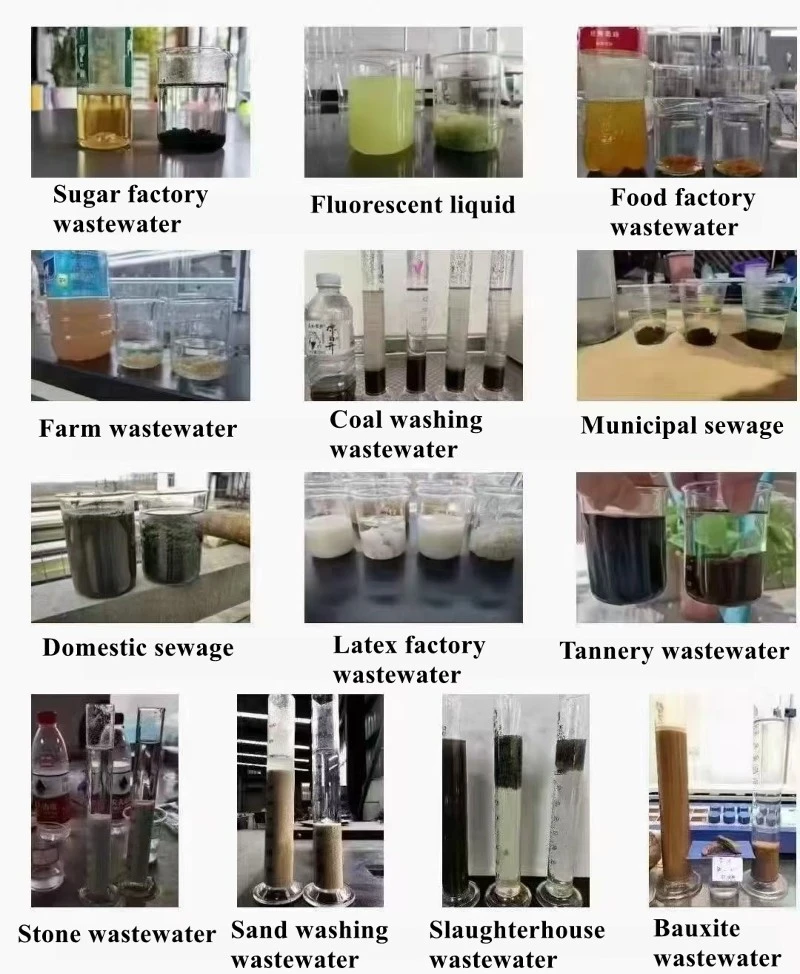
2025's breakthroughs in membrane filtration, AI-driven monitoring, and biological treatment rely on tailored solutions. For example, reverse osmosis membranes-now capable of filtering contaminants down to 0.0001 microns-perform optimally only when matched to specific pollutant profiles. A sugar factory's high-sugar wastewater, for instance, requires different pre-treatment than a leather tannery's heavy-metal-laden effluent. Our lab's data shows that customized systems reduce energy consumption by up to 32% compared to generic setups.
Industry-Specific Risks: What Happens When You Skip Water Analysis?
Every industry faces unique wastewater challenges. Here's how blind treatment without sampling can backfire:
Food & Beverage Sector
Food processing wastewater is rich in organic matter (BOD/COD levels often exceed 5,000 mg/L). Without analyzing sugar, fat, or protein concentrations, treatment systems risk clogging or microbial imbalance, leading to non-compliance fines (up to €200,000 in the EU) or production halts.
Manufacturing & Textiles
Leather and textile facilities discharge heavy metals (chromium, lead) and toxic dyes. A 2024 study by the World Bank found that 68% of untested textile wastewater violates heavy metal limits, exposing companies to legal liabilities and reputational damage.
Agriculture & Aquaculture
Livestock farms generate ammonia and nitrate-laden wastewater that can trigger algal blooms in waterways. In the U.S., the Clean Water Act imposes strict limits on nitrogen discharge, with penalties of $50,000 per day for violations.
Case Study: A European slaughterhouse client initially used a generic treatment system, resulting in frequent filter blockages and €80,000 in annual fines. After submitting water samples, we identified high fat and blood cell concentrations, designing a pre-treatment system that reduced operational costs by 40% and ensured compliance.
How Xi'an Ink-Blue's Lab Turns Samples into Solutions
At Xi'an Ink-Blue, we combine cutting-edge technology with decades of industry expertise to deliver actionable insights. Here's our process:
1. Comprehensive Testing for 2025's Challenges
Our ISO 17025-certified lab analyzes over 100 parameters, including:
Heavy metals (arsenic, mercury, chromium)
Organic compounds (BOD, COD, pesticides)
Microplastics and emerging contaminants
pH, salinity, and temperature stability
2. Tailored Treatment Blueprints
Using AI-driven modeling, we simulate how your wastewater will react to different technologies (e.g., MBR systems for high-solids wastewater, anaerobic digesters for organic-rich effluents). For a Middle Eastern municipal client, we optimized their treatment plant to meet UAE's 2025 zero-liquid discharge (ZLD) standards, cutting water reuse costs by 28%.
3. Global Compliance Support
We translate lab data into region-specific compliance reports, helping clients navigate:
EU REACH and CEPA regulations
U.S. EPA and NPDES permits
Asian Green Development Guidelines
Partner with Ink-Blue: Where Science Meets Sustainability
As global water scarcity intensifies and regulations evolve, Xi'an Ink-Blue remains committed to empowering industries with data-driven solutions. Our lab processes samples from 80+ countries, combining local expertise with international best practices. Whether you're a small-scale farm or a multinational factory, your water sample holds the key to efficient, compliant, and sustainable treatment.
Contact us today to request your water sampling proposal and take the first step towards wastewater management in 2025.
Xi'an Ink-Blue Environmental Protection Technology Co., Ltd. – Engineering Solutions for a Water-Smart Future.


