Hey there! As a supplier of residential RO membranes, I often get asked about the difference between thin-film composite (TFC) and cellulose acetate (CA) residential RO membranes. It's a great question, and in this blog, I'll break down the key differences to help you make an informed decision when choosing the right RO membrane for your home.


What Are RO Membranes?
Before we dive into the differences, let's quickly go over what RO membranes are. Reverse osmosis (RO) is a water purification process that uses a semi-permeable membrane to remove ions, molecules, and larger particles from water. Residential RO systems are commonly used to improve the quality of drinking water by reducing contaminants such as lead, arsenic, fluoride, and chlorine.
Thin-Film Composite (TFC) RO Membranes
TFC membranes are the most widely used type of RO membrane in residential applications today. They are made by sandwiching a thin layer of polyamide between two layers of porous support material. This design allows for high water flow rates and excellent rejection rates of contaminants.
Advantages of TFC Membranes
- High Rejection Rates: TFC membranes can reject up to 99% of dissolved salts, heavy metals, and other contaminants, providing you with clean and safe drinking water.
- High Water Flow Rates: TFC membranes have a high permeability, which means they can produce a large volume of purified water in a short amount of time.
- Long Lifespan: With proper maintenance, TFC membranes can last up to 3 years, making them a cost-effective option in the long run.
- Low Operating Pressure: TFC membranes can operate at lower pressures compared to CA membranes, which reduces energy consumption and operating costs.
Disadvantages of TFC Membranes
- Chlorine Sensitivity: TFC membranes are sensitive to chlorine and other oxidizing agents, which can damage the membrane and reduce its performance. Therefore, it's important to use a Carbon Filter Element to remove chlorine from the water before it enters the RO system.
- pH Sensitivity: TFC membranes perform best at a pH range of 6-8. If the pH of the water is too high or too low, it can affect the membrane's performance and lifespan.
Cellulose Acetate (CA) RO Membranes
CA membranes are an older type of RO membrane that were commonly used in the past. They are made from cellulose acetate, a natural polymer derived from wood pulp or cotton. CA membranes have a more porous structure compared to TFC membranes, which allows for higher water flow rates but lower rejection rates of contaminants.
Advantages of CA Membranes
- Chlorine Resistance: CA membranes are more resistant to chlorine and other oxidizing agents compared to TFC membranes, which means they can be used in water sources that contain high levels of chlorine.
- Wide pH Range: CA membranes can operate at a wider pH range of 4-11, which makes them more versatile in different water conditions.
- Lower Cost: CA membranes are generally less expensive than TFC membranes, making them a more budget-friendly option for some consumers.
Disadvantages of CA Membranes
- Lower Rejection Rates: CA membranes have lower rejection rates of contaminants compared to TFC membranes, which means they may not be as effective in removing certain contaminants such as dissolved salts and heavy metals.
- Shorter Lifespan: CA membranes have a shorter lifespan compared to TFC membranes, typically lasting up to 1-2 years.
- High Operating Pressure: CA membranes require higher operating pressures compared to TFC membranes, which increases energy consumption and operating costs.
Which Membrane Is Right for You?
The choice between a TFC and CA membrane depends on several factors, including the quality of your water source, your budget, and your specific water treatment needs. Here are some general guidelines to help you make a decision:
- If you have a high-quality water source with low levels of contaminants: A CA membrane may be a suitable option for you. It's more budget-friendly and can provide adequate water purification for your needs.
- If you have a water source with high levels of contaminants: A TFC membrane is recommended. It offers higher rejection rates and can provide you with cleaner and safer drinking water.
- If you have a water source with high levels of chlorine: A CA membrane may be a better choice as it is more resistant to chlorine. However, you still need to use a 0.5 Micron Carbon Block Water Filter Cartridge to remove other contaminants.
- If you want a membrane with a long lifespan and low operating costs: A TFC membrane is the way to go. It may be more expensive upfront, but it can save you money in the long run.
Other Considerations
In addition to the type of membrane, there are other factors to consider when choosing a residential RO system. These include:
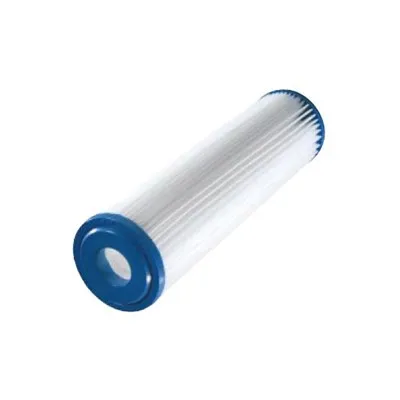
- Pre-Filters: A good RO system should include pre-filters such as a Wound Polypropylene Filter Cartridge and a carbon filter to remove larger particles and chlorine from the water before it enters the RO membrane.
- Post-Filters: A post-filter can be used to improve the taste and odor of the purified water.
- System Size: The size of the RO system you need depends on the number of people in your household and your daily water consumption.
- Maintenance: Regular maintenance is essential to ensure the optimal performance and lifespan of your RO system. This includes changing the pre-filters, post-filters, and RO membrane at the recommended intervals.
Conclusion
In conclusion, both TFC and CA membranes have their advantages and disadvantages. TFC membranes are generally preferred for their high rejection rates, high water flow rates, and long lifespan, while CA membranes are more resistant to chlorine and have a wider pH range. When choosing a residential RO membrane, it's important to consider the quality of your water source, your budget, and your specific water treatment needs.
If you're still unsure which membrane is right for you, or if you have any other questions about residential RO systems, feel free to contact us. We're a leading supplier of residential RO membranes and can help you find the perfect solution for your home. Whether you need advice on system selection, installation, or maintenance, our team of experts is here to assist you. Let's work together to ensure you have access to clean and safe drinking water.
References
- "Reverse Osmosis Membrane Technology" by William E. Smolders
- "Water Treatment Handbook" by Lenntech B.V.
- "Residential Reverse Osmosis Systems: A Consumer's Guide" by the Water Quality Association