Hey there! As a supplier of domestic RO membrane systems, I've been getting a ton of questions lately about sediment filters. People are curious about what they do and why they're so important in a home RO setup. So, I thought I'd take a few minutes to break it all down for you.
First off, let's talk about what a sediment filter actually is. Simply put, it's a device that removes solid particles from water. These particles can range in size from large debris like sand and dirt to tiny microscopic particles. In a domestic RO membrane system, the sediment filter is usually the first line of defense. It sits right at the beginning of the filtration process, before the water even reaches the RO membrane.
So, why is this so important? Well, the RO membrane is a super delicate piece of equipment. It has tiny pores that are designed to allow water molecules to pass through while blocking out contaminants. But if large particles like sand or dirt make their way to the membrane, they can clog those pores. This not only reduces the efficiency of the RO system but can also damage the membrane over time, leading to costly replacements.
The sediment filter acts as a pre - filter, catching all those big particles before they can cause any harm. It helps to extend the lifespan of the RO membrane and ensures that the system runs smoothly for a long time.
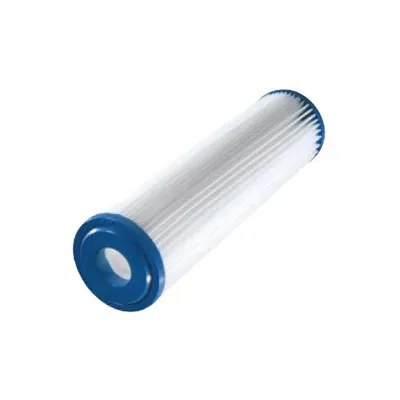
There are different types of sediment filters available, and each has its own unique features. One popular type is the PP Water Filter Cartridge. These cartridges are made of polypropylene, which is a strong and durable material. They're great at trapping a wide range of sediment sizes, from relatively large particles down to around 1 - 5 microns.


Another option is the UDF Cartridge Filter. UDF stands for "Ultra - Dense Filter". These filters are designed to provide a high level of filtration. They can remove not only sediment but also some organic matter and chlorine, which can also be harmful to the RO membrane.
If you're dealing with water that has a lot of fine sediment, the Polypropylene Filter Cartridge 5 Micron might be the way to go. The 5 - micron rating means that it can effectively trap particles that are 5 microns or larger in size. This is ideal for water sources that have a lot of silt or fine sand.
Now, let's talk about how sediment filters work. Most sediment filters use a physical filtration process. The water flows through the filter media, and as it does, the sediment particles get trapped in the pores of the media. The size of the pores determines what size particles can be removed. For example, a 1 - micron filter will trap smaller particles than a 5 - micron filter.
Over time, as the filter traps more and more sediment, it will start to get clogged. This is normal, but it's important to monitor the filter and replace it when necessary. A clogged sediment filter can restrict the flow of water through the RO system, reducing its efficiency. You can usually tell when a sediment filter needs to be replaced if you notice a decrease in water pressure or if the water coming out of the tap starts to look cloudy.
In addition to protecting the RO membrane, sediment filters also improve the overall quality of the water. By removing sediment, they make the water look clearer and taste better. This is especially important for people who use their RO - filtered water for drinking and cooking.
So, if you're in the market for a domestic RO membrane system, don't overlook the importance of a sediment filter. It's a small investment that can make a big difference in the performance and longevity of your system.
As a supplier of domestic RO membrane systems, I've seen firsthand the impact that a good sediment filter can have. I've helped countless customers who were having problems with their RO systems due to sediment damage. After installing a proper sediment filter, their systems started working like new again.
If you're interested in learning more about sediment filters or our domestic RO membrane systems, I'd love to have a chat with you. Whether you have questions about which filter is right for your water source or you're ready to place an order, feel free to reach out. We can discuss your specific needs and find the best solution for you.
In conclusion, sediment filters play a crucial role in a domestic RO membrane system. They protect the delicate RO membrane, improve water quality, and ensure that your system runs efficiently for years to come. So, don't skimp on this important component!
References
- "Water Filtration Basics" - Water Quality Association
- "RO System Maintenance Guide" - Various industry publications