Hey there! As a supplier of Domestic RO Membranes, I often get asked, "Do I need a booster pump for my domestic RO membrane?" Well, let's dive right into it and find out.
First off, let's understand what a domestic RO (Reverse Osmosis) membrane does. An RO membrane is like a super - fine sieve for your water. It filters out all sorts of nasties like heavy metals, salts, and other contaminants, leaving you with clean, pure water. But for it to work its magic, it needs a certain amount of pressure.
The pressure required for an RO membrane to function effectively usually ranges from 40 to 80 psi (pounds per square inch). Now, the water pressure in your home's plumbing system can vary a lot. In some areas, you might have really high water pressure straight from the main supply. But in other places, especially older buildings or those far from the water source, the pressure can be pretty low.
If your home water pressure is consistently above 40 psi, you might not need a booster pump right away. The natural pressure in your pipes could be enough to push water through the RO membrane and get you that clean water. However, it's not just about meeting the minimum pressure. Higher pressure can actually increase the efficiency of the RO system. When you have more pressure, the RO membrane can filter water faster, and it can also reject more contaminants.
On the other hand, if your water pressure is below 40 psi, then a booster pump is almost a must - have. Without enough pressure, the RO membrane won't work properly. You'll notice a significant drop in the amount of clean water it produces. It might take ages to fill up a glass of water from your RO system, and the water quality might not be as good either.
Let's talk about some of the signs that you might need a booster pump. If you've installed a new RO system, but you're getting very low water flow from the faucet, that's a red flag. Also, if the water produced by your RO system tastes a bit off or if you notice an increase in the amount of waste water (the water that's flushed out during the filtration process), it could be due to low pressure.
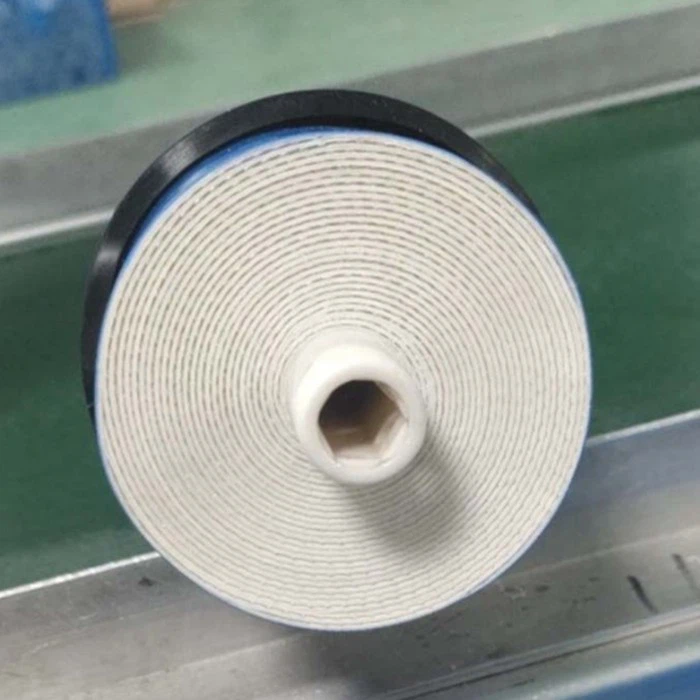
Now, let's consider the different types of RO membranes and how they relate to booster pumps. For example, the Membrane RO 100 GPD. This membrane is designed to produce 100 gallons of clean water per day. To reach its full potential, it needs a good amount of pressure. If your water pressure is low, a booster pump can help this membrane operate at its best, ensuring you get the 100 gallons of clean water it's supposed to produce.
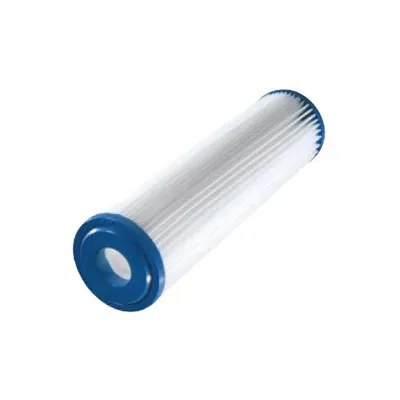
Another thing to think about is the pre - filtration stage. Before water reaches the RO membrane, it usually goes through some pre - filters. These filters remove larger particles like sediment and rust. For instance, the PP Pleated Filter and the 30 Micron Pleated Water Filter. These filters can also affect the overall pressure in the system. If they get clogged over time, they can reduce the water pressure even further. So, it's important to regularly replace these pre - filters to maintain good water pressure and the efficiency of the RO system.
A booster pump can also be beneficial in situations where you have multiple water - using appliances in your home. If you're running your dishwasher, washing machine, and using the RO system at the same time, the water pressure can drop significantly. A booster pump can help maintain a consistent pressure for your RO membrane, so you still get clean water even when other appliances are in use.
There are different types of booster pumps available in the market. Some are small and compact, suitable for home use. These pumps are easy to install and can be a great addition to your RO system. Others are more powerful and are designed for larger commercial or industrial applications. When choosing a booster pump, you need to consider factors like the size of your RO system, the water pressure in your home, and your budget.

Installing a booster pump isn't too complicated, but it's always a good idea to have a professional do it. They can make sure that the pump is installed correctly and that it's compatible with your RO system. A poorly installed booster pump can cause more problems than it solves, like leaks or damage to the RO membrane.
In terms of cost, a booster pump can be a bit of an investment. But when you think about the long - term benefits, it's definitely worth it. You'll get better water quality, faster water production, and a more efficient RO system. Plus, it can extend the lifespan of your RO membrane by reducing the stress on it due to low pressure.
So, to sum it up, whether you need a booster pump for your domestic RO membrane depends on your home's water pressure. If it's consistently above 40 psi, you might be okay without one for now. But if it's below 40 psi, or if you want to improve the efficiency of your RO system, a booster pump is a great idea.
If you're still not sure whether you need a booster pump or if you have any questions about our Domestic RO Membranes, don't hesitate to reach out. We're here to help you make the best decision for your home's water filtration needs. Whether you're looking for a new RO membrane or a booster pump, we've got you covered. Let's have a chat and figure out the perfect solution for you.
References
- Water Filtration Handbook: General knowledge about RO systems and water pressure requirements.
- Manufacturer's specifications for RO membranes and booster pumps.