Self-cleaning ultrafiltration (UF) membranes have revolutionized the field of water treatment and purification. As a prominent UF membrane supplier, I am excited to delve into the intricate workings of these remarkable technologies. In this blog post, we will explore the principles behind self-cleaning UF membranes, their benefits, and how they can transform various industries.
Understanding Ultrafiltration Membranes
Before we dive into self-cleaning mechanisms, let's first understand what UF membranes are. Ultrafiltration is a pressure-driven separation process that uses a semi-permeable membrane to separate particles, macromolecules, and microorganisms from a liquid solution. UF membranes typically have pore sizes ranging from 0.001 to 0.1 microns, which allows them to retain suspended solids, colloids, bacteria, and some viruses while allowing water and low-molecular-weight solutes to pass through.
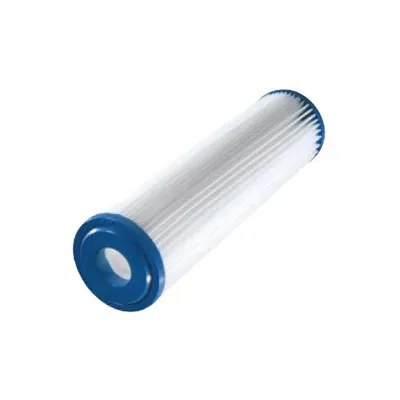
Our company offers a wide range of UF membranes, including UF Membrane 0.01 Micron, Ultra Filtration UF Membrane, and PP UF Membrane. These membranes are designed to provide high flux, excellent rejection rates, and long service life, making them suitable for various applications such as water treatment, dairy processing, pharmaceutical manufacturing, and more.
The Problem of Membrane Fouling
One of the major challenges in UF membrane applications is membrane fouling. Fouling occurs when particles, colloids, and organic matter accumulate on the membrane surface or within the membrane pores, reducing the membrane's permeability and separation efficiency. This can lead to increased operating costs, frequent membrane cleaning or replacement, and decreased product quality.
Traditional methods of membrane cleaning, such as chemical cleaning and backwashing, can be effective in removing fouling materials. However, these methods often require the use of harsh chemicals, which can be environmentally unfriendly and may damage the membrane. In addition, frequent cleaning can also shorten the membrane's lifespan.
How Self-Cleaning UF Membranes Work
Self-cleaning UF membranes are designed to mitigate the problem of membrane fouling by incorporating various mechanisms that prevent or reduce the accumulation of fouling materials on the membrane surface. Here are some of the common self-cleaning mechanisms used in UF membranes:
1. Surface Modification
One approach to self-cleaning is to modify the membrane surface to make it more resistant to fouling. This can be achieved by coating the membrane with a hydrophilic or anti-fouling material. Hydrophilic coatings reduce the adhesion of hydrophobic foulants, such as oils and fats, to the membrane surface. Anti-fouling coatings, on the other hand, can prevent the attachment of bacteria and other microorganisms by releasing biocides or creating a repulsive surface.
For example, some self-cleaning UF membranes are coated with a thin layer of titanium dioxide (TiO₂). TiO₂ is a photocatalyst that can generate reactive oxygen species (ROS) when exposed to light. These ROS can oxidize and degrade organic foulants on the membrane surface, effectively self-cleaning the membrane.
2. Dynamic Membrane Formation
Another self-cleaning mechanism is the formation of a dynamic membrane on the surface of the UF membrane. A dynamic membrane is a thin layer of particles or polymers that forms spontaneously on the membrane surface during the filtration process. This layer acts as a secondary filter, preventing larger particles from reaching the membrane pores and reducing the fouling rate.
The dynamic membrane can be formed by adding a small amount of a coagulant or flocculant to the feed solution. The coagulant or flocculant causes the particles in the feed solution to aggregate, forming larger flocs that can be easily retained by the dynamic membrane. As the filtration progresses, the dynamic membrane can be periodically removed and replaced, allowing the UF membrane to maintain its high permeability.
3. Backpulsing and Backwashing
Backpulsing and backwashing are common techniques used to clean UF membranes. Backpulsing involves applying a short, high-pressure pulse of clean water in the opposite direction of the filtration flow. This pulse dislodges the fouling materials from the membrane surface and pores, allowing them to be flushed out of the system.
Backwashing, on the other hand, is a more continuous process that involves reversing the flow of the permeate through the membrane for a short period of time. This helps to remove the fouling materials from the membrane surface and restore the membrane's permeability.
Some self-cleaning UF membranes are designed to incorporate automatic backpulsing or backwashing mechanisms. These mechanisms can be triggered by changes in the transmembrane pressure or the permeate flux, ensuring that the membrane is cleaned regularly without the need for manual intervention.
4. Shear Enhancement
Shear enhancement is another effective way to prevent membrane fouling. Shear forces can be generated by increasing the cross-flow velocity of the feed solution over the membrane surface or by using mechanical devices such as rotating disks or vibrating membranes. These shear forces can prevent the deposition of particles on the membrane surface and help to remove any fouling materials that have already accumulated.
For example, some self-cleaning UF membranes are designed with a spiral-wound configuration that creates a high cross-flow velocity. This high cross-flow velocity generates strong shear forces, which can effectively prevent the formation of a fouling layer on the membrane surface.
Benefits of Self-Cleaning UF Membranes
The use of self-cleaning UF membranes offers several benefits over traditional UF membranes:
1. Reduced Operating Costs
By reducing the frequency of membrane cleaning and replacement, self-cleaning UF membranes can significantly lower the operating costs of a filtration system. In addition, the use of less harsh chemicals for cleaning can also reduce the environmental impact and the cost of chemical disposal.
2. Improved Productivity
Self-cleaning UF membranes can maintain a higher permeability and separation efficiency over a longer period of time compared to traditional UF membranes. This means that the filtration system can operate at a higher flux, resulting in increased productivity and throughput.
3. Enhanced Product Quality
By preventing the accumulation of fouling materials on the membrane surface, self-cleaning UF membranes can produce a higher quality permeate. This is particularly important in applications where the quality of the product is critical, such as in the pharmaceutical and food industries.
4. Longer Membrane Lifespan
The self-cleaning mechanisms used in UF membranes can help to extend the membrane's lifespan by reducing the damage caused by fouling and cleaning. This can result in a lower total cost of ownership for the filtration system.
Applications of Self-Cleaning UF Membranes
Self-cleaning UF membranes have a wide range of applications in various industries, including:
1. Water Treatment
In water treatment, self-cleaning UF membranes can be used for the removal of suspended solids, bacteria, and viruses from surface water, groundwater, and wastewater. They can also be used in seawater desalination pre-treatment to remove large particles and colloids, protecting the reverse osmosis membranes from fouling.
2. Dairy Processing
In the dairy industry, self-cleaning UF membranes are used for the separation of milk proteins, whey, and lactose. They can also be used for the concentration and purification of milk and dairy products, improving the quality and shelf life of the products.
3. Pharmaceutical Manufacturing
In the pharmaceutical industry, self-cleaning UF membranes are used for the purification of drugs, vaccines, and other biopharmaceutical products. They can remove impurities, such as proteins, nucleic acids, and endotoxins, from the product stream, ensuring the safety and efficacy of the final product.
4. Food and Beverage Industry
In the food and beverage industry, self-cleaning UF membranes are used for the clarification and concentration of fruit juices, wine, and beer. They can remove suspended solids, yeast, and bacteria, improving the clarity and stability of the products.
Conclusion
Self-cleaning UF membranes are a promising technology that can significantly improve the performance and efficiency of UF membrane filtration systems. By incorporating various self-cleaning mechanisms, these membranes can prevent or reduce the accumulation of fouling materials on the membrane surface, resulting in lower operating costs, improved productivity, enhanced product quality, and longer membrane lifespan.
As a UF membrane supplier, we are committed to providing our customers with high-quality self-cleaning UF membranes that meet their specific needs. If you are interested in learning more about our products or have any questions about self-cleaning UF membranes, please feel free to contact us for a consultation. We look forward to working with you to find the best solution for your filtration needs.


References
- Cheryan, M. Ultrafiltration and Microfiltration Handbook. Technomic Publishing Co., Inc., 1998.
- Fane, A. G., & Waite, T. D. (Eds.). Membrane Bioreactors for Wastewater Treatment. IWA Publishing, 2008.
- Mulder, M. Basic Principles of Membrane Technology. Kluwer Academic Publishers, 1996.