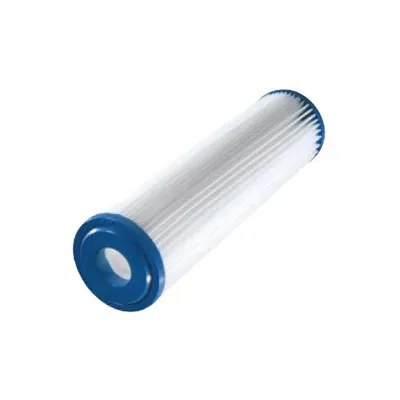
As a supplier of cartridge filter housings, I've witnessed firsthand the widespread use of these products across various industries. Cartridge filter housings are essential components in filtration systems, used to remove contaminants from liquids and gases. However, like any industrial product, they have environmental impacts that need to be considered. In this blog post, I'll explore the environmental implications of using a cartridge filter housing, from production to disposal.
Production Phase
The production of cartridge filter housings involves several steps, each with its own environmental footprint. The materials used to manufacture these housings play a significant role in determining their environmental impact. Common materials include stainless steel (SS), polyvinyl chloride (PVC), and other plastics.
Stainless Steel Cartridge Filter Housings
Stainless steel is a popular choice for cartridge filter housings due to its durability, corrosion resistance, and high-temperature tolerance. The production of stainless steel, however, is energy-intensive and has a significant carbon footprint. It involves mining iron ore, which can lead to habitat destruction and soil erosion. The smelting and refining processes require large amounts of energy, mostly from fossil fuels, contributing to greenhouse gas emissions.
For those interested in SS cartridge filter housings, you can find more information about our SS Cartridge Filter Housing. Our Cartridge Filter Housing SS316 is made from high-quality stainless steel, offering excellent performance and longevity.
PVC Cartridge Filter Housings
PVC is another commonly used material for cartridge filter housings. It is lightweight, inexpensive, and resistant to many chemicals. However, the production of PVC is associated with several environmental concerns. The manufacturing process involves the use of chlorine, which is derived from salt through an energy-intensive electrolysis process. PVC production also releases dioxins, which are highly toxic and persistent in the environment.
If you're considering a PVC option, our PVC Cartridge Filter Housing provides a cost-effective solution for certain applications.
Usage Phase
During the usage phase, cartridge filter housings can have both positive and negative environmental impacts.
Positive Impacts
One of the main benefits of using cartridge filter housings is their ability to improve water and air quality. By removing contaminants such as sediment, bacteria, and chemicals, these filters help protect the environment and human health. For example, in water treatment plants, cartridge filter housings are used to remove impurities from drinking water, reducing the risk of waterborne diseases. In industrial settings, they can prevent the release of pollutants into the environment.
Negative Impacts
However, the usage of cartridge filter housings also has some negative environmental implications. One of the main issues is the energy consumption of the filtration system. Pumping liquids or gases through the filter housing requires energy, which is often derived from non-renewable sources. Additionally, the filters themselves need to be replaced regularly, which generates waste. The disposal of used cartridges can be a challenge, especially if they are contaminated with hazardous materials.
Disposal Phase
The disposal of cartridge filter housings and their cartridges is a critical environmental concern. Improper disposal can lead to pollution and the release of harmful substances into the environment.


Stainless Steel Housings
Stainless steel cartridge filter housings are relatively easy to recycle. They can be melted down and reused to make new products, reducing the demand for virgin materials. However, the recycling process still requires energy, and some of the materials may be lost during the process.
PVC Housings
PVC cartridge filter housings are more difficult to recycle. PVC is a complex polymer that requires specialized recycling processes. In many cases, PVC products end up in landfills, where they can take hundreds of years to decompose. Incinerating PVC can also release toxic chemicals into the air, such as dioxins and hydrochloric acid.
Cartridges
The disposal of used cartridges is even more challenging. Depending on the type of contaminants they contain, cartridges may need to be treated as hazardous waste. This can involve special handling, transportation, and disposal methods, which can be costly and environmentally damaging.
Mitigating the Environmental Impact
As a supplier, we are committed to minimizing the environmental impact of our cartridge filter housings. Here are some strategies we recommend:
Material Selection
Choose materials with a lower environmental impact. For example, consider using recycled stainless steel or other sustainable materials. We are constantly researching and developing new materials that are more environmentally friendly.
Energy Efficiency
Opt for energy-efficient filtration systems. This can include using pumps with variable speed drives, which can adjust the flow rate based on the demand, reducing energy consumption.
Recycling and Reuse
Encourage customers to recycle their used cartridge filter housings and cartridges. We can provide information on local recycling facilities and help customers find appropriate disposal methods. In some cases, we may also offer a take-back program for used products.
Extended Service Life
Design cartridge filter housings to have a longer service life. This can reduce the frequency of replacements and the amount of waste generated. Regular maintenance and proper operation can also help extend the life of the filters.
Conclusion
In conclusion, the use of cartridge filter housings has both positive and negative environmental impacts. While they play an important role in improving water and air quality, their production, usage, and disposal can also have significant environmental consequences. As a supplier, we are aware of these issues and are taking steps to minimize the environmental impact of our products.
If you're interested in learning more about our cartridge filter housings or have any questions about their environmental impact, please feel free to contact us for a procurement discussion. We are here to help you find the most suitable filtration solution for your needs while minimizing the environmental footprint.
References
- "Environmental Impact of Stainless Steel Production." World Stainless.
- "PVC: A Material Under Scrutiny." Greenpeace.
- "Filtration Systems and Energy Efficiency." American Filtration & Separations Society.