A residential Reverse Osmosis (RO) membrane is a critical component of a home water purification system. It plays a pivotal role in removing contaminants, ensuring that the water you consume is clean and safe. However, like any other part, RO membranes can get damaged over time. As a residential RO membrane supplier, I've encountered numerous customers facing this issue. In this blog, I'll share some insights on how to handle a damaged residential RO membrane.
Understanding the Causes of RO Membrane Damage
Before diving into the solutions, it's essential to understand what can cause damage to your RO membrane. Several factors can contribute to this, including:
- Physical Damage: This can occur during installation, maintenance, or due to external forces. For instance, if the membrane is mishandled during installation, it might get scratched or punctured. Similarly, if there are any sharp objects in the water system, they can cause physical damage to the membrane.
- Chemical Damage: Exposure to certain chemicals can harm the RO membrane. Chlorine, for example, is a common disinfectant used in water treatment, but it can degrade the membrane over time. Other chemicals like solvents, detergents, or high concentrations of acids and bases can also cause damage.
- Scaling and Fouling: Over time, minerals and other contaminants can accumulate on the surface of the membrane, forming a layer of scale or fouling. This reduces the membrane's efficiency and can eventually lead to damage if not addressed promptly. Common scaling agents include calcium carbonate, calcium sulfate, and silica.
- Biological Growth: Microorganisms such as bacteria, algae, and fungi can grow on the membrane surface, causing biofouling. This not only reduces the membrane's performance but can also introduce harmful pathogens into the water supply.
Signs of a Damaged RO Membrane
Recognizing the signs of a damaged RO membrane is crucial for timely intervention. Here are some common indicators:
- Reduced Water Flow: If you notice a significant decrease in the amount of water produced by your RO system, it could be a sign of a damaged membrane. This could be due to scaling, fouling, or physical damage that restricts the flow of water through the membrane.
- Poor Water Quality: A damaged membrane may not be able to effectively remove contaminants from the water, resulting in poor water quality. You may notice an unpleasant taste, odor, or color in the water, or higher levels of dissolved solids.
- Increased Pressure: A damaged membrane can cause an increase in pressure within the RO system. This is because the water has a harder time passing through the membrane, leading to a buildup of pressure. If you notice a sudden increase in pressure, it's important to check the membrane for damage.
- Leaks: Physical damage to the membrane can cause leaks in the RO system. You may notice water pooling around the system or dripping from the membrane housing.
Handling a Damaged RO Membrane
Step 1: Assess the Damage
The first step in handling a damaged RO membrane is to assess the extent of the damage. This involves inspecting the membrane visually and testing the water quality. If the damage is minor, such as a small scratch or a light layer of fouling, you may be able to clean and repair the membrane. However, if the damage is severe, such as a large tear or significant chemical degradation, it's likely that the membrane will need to be replaced.
Step 2: Clean the Membrane
If the damage is due to scaling, fouling, or biological growth, cleaning the membrane may be a viable solution. There are several methods for cleaning RO membranes, including:
- Chemical Cleaning: This involves using specialized cleaning agents to remove scale, fouling, and biological contaminants from the membrane surface. The type of cleaning agent used will depend on the nature of the contaminants. For example, acid cleaners are effective for removing calcium carbonate scale, while alkaline cleaners are better for removing organic fouling. It's important to follow the manufacturer's instructions when using chemical cleaners to avoid damaging the membrane.
- Physical Cleaning: Physical cleaning methods, such as backwashing or flushing, can also be used to remove loose contaminants from the membrane surface. Backwashing involves reversing the flow of water through the membrane to dislodge and remove accumulated particles. Flushing, on the other hand, involves passing a large volume of water through the membrane to wash away contaminants.
Step 3: Repair the Membrane
In some cases, it may be possible to repair a damaged RO membrane. This is typically only feasible for minor damage, such as small tears or punctures. There are several repair kits available on the market that can be used to patch up the damaged area. However, it's important to note that repairing a membrane may not restore its full performance, and it may be necessary to replace the membrane in the long run.

Step 4: Replace the Membrane
If the damage to the RO membrane is severe or if cleaning and repair efforts are unsuccessful, it's time to replace the membrane. When replacing the membrane, it's important to choose a high-quality membrane that is compatible with your RO system. As a residential RO membrane supplier, I can offer a wide range of membranes to suit different needs and budgets.
Preventing RO Membrane Damage
Preventing RO membrane damage is always better than dealing with it after the fact. Here are some tips to help you keep your RO membrane in good condition:
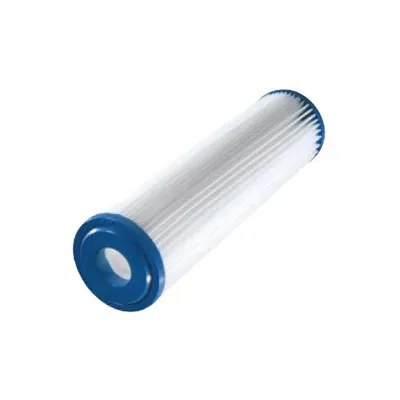
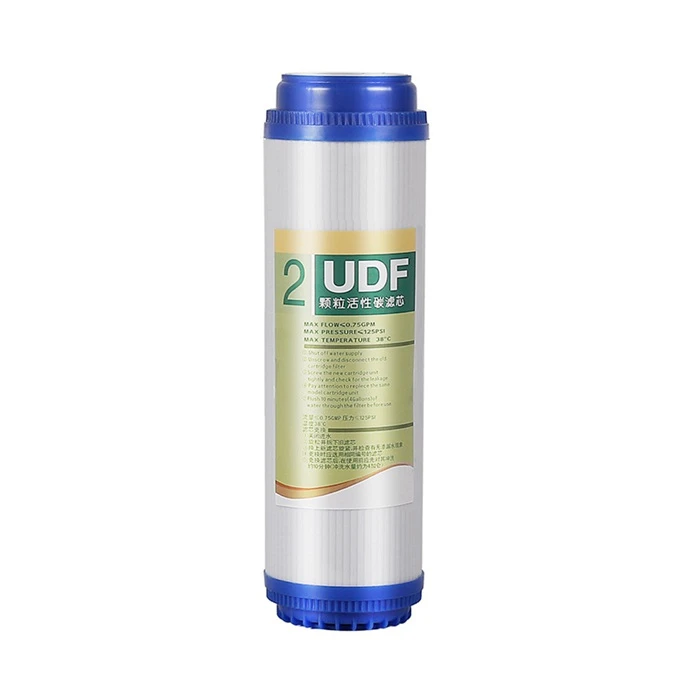
- Use Pre - Filters: Installing pre - filters in your RO system can help remove larger particles, sediment, and chlorine before they reach the membrane. This reduces the risk of scaling, fouling, and chemical damage. Some effective pre - filters include the 10'' UDF Water Filter, 5 Micron Polypropylene Filter Cartridge, and PP Pleated Filter.
- Monitor Water Quality: Regularly test the water quality to detect any changes in the concentration of contaminants. This allows you to take proactive measures to prevent membrane damage.
- Follow Maintenance Schedule: Adhere to the manufacturer's recommended maintenance schedule for your RO system. This includes regular cleaning, filter replacement, and membrane inspection.
- Proper Installation and Handling: Ensure that the RO membrane is installed correctly and handled with care during installation and maintenance. Avoid using sharp objects or applying excessive force that could damage the membrane.
Conclusion
Handling a damaged residential RO membrane requires a systematic approach, from identifying the cause of the damage to choosing the appropriate solution. As a residential RO membrane supplier, I understand the importance of clean and safe water for your home. Whether you need help with membrane cleaning, repair, or replacement, I'm here to assist you. If you're facing issues with your RO membrane or are interested in purchasing a new membrane, feel free to reach out for a consultation. We can discuss your specific needs and find the best solution for you.
References
- "Reverse Osmosis Membrane Technology" by Menachem Elimelech and William A. Phillip
- "Water Treatment Unit Processes: Physical and Chemical" by David W. Hendricks