A Reverse Osmosis (RO) storage tank is an essential component of any RO water purification system. It stores the purified water produced by the RO unit, ensuring a continuous supply of clean water for your household or business. But for this tank to function properly, it requires a specific water pressure. In this blog post, I'll delve into the details of the water pressure needed for an RO storage tank, drawing on my experience as an RO storage tank supplier.
Understanding the Basics of RO Storage Tanks
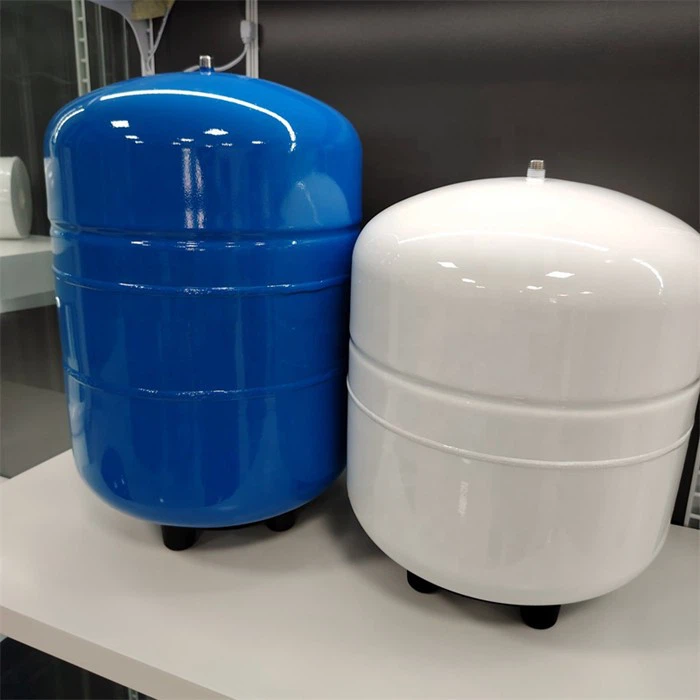
Before we discuss the required water pressure, let's briefly understand how an RO storage tank works. An RO storage tank is a pressure - rated vessel that holds the purified water produced by the RO system. Inside the tank, there is a rubber bladder that separates the water from a pre - charged air chamber. As water is pumped into the tank, it compresses the air in the chamber, creating pressure. When you open a tap, the compressed air forces the water out of the tank and into your plumbing system.
Ideal Water Pressure for RO Storage Tanks
The ideal water pressure for an RO storage tank to function properly can vary depending on several factors, but generally, it falls within a specific range. Most RO storage tanks are designed to operate with a pre - charge air pressure of around 7 - 8 psi (pounds per square inch) when the tank is empty. This pre - charge is set at the factory and helps to ensure proper filling and emptying of the tank.
When the RO system is in operation and filling the tank, the incoming water pressure should be sufficient to overcome the pre - charge air pressure and compress the air chamber as the tank fills. A minimum incoming water pressure of 40 psi is recommended for most RO systems. If the incoming water pressure is too low, the tank may not fill properly, resulting in a reduced supply of purified water.
On the other hand, if the incoming water pressure is too high, it can cause damage to the tank and other components of the RO system. Excessive pressure can lead to a blown bladder, leaks, or premature wear and tear of the tank. Therefore, it's crucial to maintain the incoming water pressure within the recommended range, typically between 40 - 80 psi.
Factors Affecting the Required Water Pressure
Several factors can influence the water pressure required for an RO storage tank to function optimally.
Tank Size
Larger tanks generally require more pressure to fill and empty efficiently. For example, a 20 Gallon RO Tank will need more pressure to fill compared to a 4 Gallon Reverse Osmosis Tank. The increased volume of water in the larger tank means that more force is needed to compress the air chamber and push the water out when required.
System Design
The design of the RO system, including the number of filters, the type of membrane, and the length of the plumbing, can also affect the required water pressure. A more complex system with multiple filters and a long plumbing run may require higher pressure to ensure proper water flow through the system and into the tank.
Usage Patterns
Your water usage patterns can also impact the required water pressure. If you have high - demand periods, such as multiple people using water simultaneously or large appliances using a significant amount of water, a higher water pressure may be necessary to ensure a continuous supply of purified water.
Testing and Adjusting Water Pressure
Regularly testing the water pressure in your RO system is essential to ensure that the storage tank is functioning properly. You can use a pressure gauge to measure the incoming water pressure and the pre - charge air pressure in the tank.
To test the pre - charge air pressure, first, turn off the RO system and drain all the water from the tank. Then, use a tire pressure gauge to measure the air pressure at the air valve on the tank. If the pre - charge pressure is too low, you can use an air compressor to add air until it reaches the recommended level. If it's too high, you can release some air by pressing the valve stem with a small tool.
If the incoming water pressure is outside the recommended range, you may need to install a pressure regulator. A pressure regulator can adjust the incoming water pressure to a safe and optimal level for your RO system.
Importance of Maintaining Proper Water Pressure
Maintaining the proper water pressure for your RO storage tank is crucial for several reasons.

Efficient Operation
Proper water pressure ensures that the tank fills and empties efficiently, providing a continuous supply of purified water. This means you'll have access to clean water whenever you need it, without any interruptions.
Longevity of the Tank
When the water pressure is within the recommended range, it reduces the stress on the tank and its components. This helps to extend the lifespan of the tank, saving you money on replacement costs in the long run.
Quality of Purified Water
Optimal water pressure ensures that the RO system operates at its best, producing high - quality purified water. If the pressure is too low or too high, it can affect the performance of the RO membrane, leading to a decrease in water quality.
Our RO Storage Tanks and Water Pressure Compatibility
As an RO storage tank supplier, we offer a wide range of tanks, including 5 Gallon RO Tank, 4 Gallon Reverse Osmosis Tank, and 20 Gallon RO Tank. All our tanks are designed to operate within the standard water pressure ranges mentioned above.
We understand the importance of proper water pressure for the functionality of RO storage tanks. That's why we provide detailed installation and maintenance instructions with each tank, including information on how to test and adjust the water pressure. Our team of experts is also available to answer any questions you may have about water pressure or the operation of our RO storage tanks.
Contact Us for RO Storage Tank Procurement
If you're in the market for an RO storage tank, we're here to help. Our high - quality tanks are designed to provide reliable performance and a long service life. Whether you need a small tank for a residential application or a large tank for a commercial setting, we have the right solution for you.
Contact us today to discuss your specific requirements. Our sales team will work with you to understand your needs and recommend the most suitable RO storage tank for your situation. We look forward to partnering with you to ensure you have a continuous supply of clean, purified water.
References
- Water Quality Association. (2023). Reverse Osmosis Systems: A Guide to Understanding and Maintaining Your System.
- American Water Works Association. (2022). Standards for Water Treatment Equipment, including RO Storage Tanks.