As a supplier of residential RO membranes, I've witnessed firsthand the widespread adoption of these filtration systems in homes. Reverse osmosis (RO) technology is celebrated for its ability to remove a broad spectrum of contaminants from water, providing clean and safe drinking water. However, like any technology, residential RO membranes come with their share of disadvantages. In this blog post, I'll delve into these drawbacks to offer a balanced perspective for consumers and industry professionals alike.
High Water Waste
One of the most significant disadvantages of using a residential RO membrane is the high volume of water wasted during the filtration process. RO systems work by forcing water through a semi - permeable membrane to remove impurities. But not all the water that enters the system makes it through the membrane. In fact, for every gallon of clean water produced, an RO system can waste 2 to 4 gallons of water. This inefficiency is a major concern, especially in regions facing water scarcity.


The Environmental Protection Agency (EPA) has been promoting water - efficient technologies, and the high water waste of RO systems goes against these efforts. Homeowners using RO membranes need to be aware of this issue and consider ways to reuse the rejected water. For example, the waste water can be collected and used for tasks like watering plants or flushing toilets. However, this requires additional plumbing and storage solutions, which can be inconvenient for many households.
High Energy Consumption
Residential RO membranes also require a significant amount of energy to operate. The process of forcing water through the membrane against the osmotic pressure demands a high - pressure pump. This pump consumes electricity, adding to the household's energy bills. In areas where electricity is expensive, the cost of running an RO system can be a substantial burden.
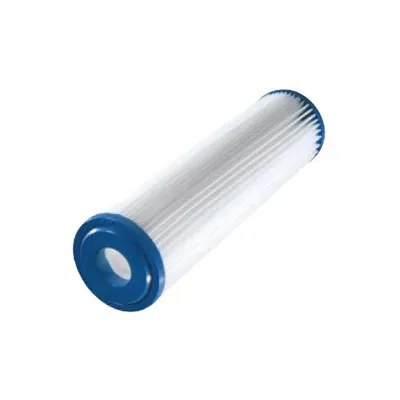
Moreover, the energy consumption of RO systems contributes to environmental pollution. The generation of electricity often involves the burning of fossil fuels, which release greenhouse gases into the atmosphere. As a supplier, I understand that consumers are increasingly looking for energy - efficient solutions. While some newer RO models are designed to be more energy - efficient, they still consume more energy compared to other water filtration methods such as Polypropylene Pleated Filter Cartridges or PP Filter 20 Inch.
Slow Filtration Rate
Another drawback of residential RO membranes is the relatively slow filtration rate. RO systems typically produce clean water at a rate of 1 to 10 gallons per day, depending on the size and capacity of the system. This slow rate can be a problem for households with high water consumption needs. For example, if you have a large family or if you use a lot of water for cooking, cleaning, and drinking, you may find that the RO system cannot keep up with your demand.
To address this issue, some homeowners install larger RO systems or additional storage tanks. However, these solutions can be costly and take up a significant amount of space. Additionally, storing water for an extended period can lead to the growth of bacteria and other microorganisms, which can compromise the quality of the water.
Maintenance Requirements
Residential RO membranes require regular maintenance to ensure optimal performance. The membrane itself needs to be replaced every 2 to 3 years, depending on the quality of the feed water and the frequency of use. In addition, the pre - filters and post - filters in the RO system also need to be replaced periodically. These filters, such as PP Pleated Filter, are essential for protecting the RO membrane from large particles and contaminants.
The cost of replacement parts and the labor involved in maintenance can add up over time. Homeowners may also find it challenging to perform the maintenance tasks themselves, especially if they are not familiar with the technical aspects of RO systems. This often means relying on professional technicians, which can further increase the overall cost of using an RO system.
Removal of Beneficial Minerals
RO membranes are highly effective at removing contaminants from water, but they also remove beneficial minerals such as calcium, magnesium, and potassium. These minerals are essential for human health, as they play a role in various bodily functions, including bone health, muscle function, and nerve transmission.
Drinking water that is devoid of these minerals can have long - term health implications. Some studies suggest that long - term consumption of demineralized water may increase the risk of certain diseases, such as osteoporosis and cardiovascular diseases. While it is possible to supplement these minerals through diet, it is not always convenient or practical for everyone.
Initial Cost
The initial cost of purchasing and installing a residential RO system can be quite high. A basic RO system can cost anywhere from $200 to $500, while more advanced systems with additional features can cost over $1000. In addition to the cost of the system itself, there are also installation costs, which can vary depending on the complexity of the installation.
For many homeowners, the high initial cost can be a deterrent. They may opt for cheaper water filtration alternatives, such as pitcher filters or faucet - mounted filters, which are more affordable but may not provide the same level of filtration as an RO system.
Sensitivity to Water Quality
RO membranes are sensitive to the quality of the feed water. If the water contains high levels of certain contaminants, such as chlorine, iron, or sulfur, it can damage the membrane and reduce its lifespan. This means that homeowners need to ensure that the water entering the RO system is pre - treated to remove these contaminants.
Pre - treatment often involves the use of additional filters or chemical treatments, which can add to the cost and complexity of the RO system. In some cases, the quality of the feed water may be so poor that the RO system may not be a suitable option at all.
Conclusion
While residential RO membranes offer many benefits in terms of providing clean and safe drinking water, they also come with several disadvantages. These include high water waste, high energy consumption, slow filtration rate, maintenance requirements, removal of beneficial minerals, high initial cost, and sensitivity to water quality.
As a supplier of residential RO membranes, I believe it's important to be transparent about these drawbacks. This allows consumers to make informed decisions when choosing a water filtration system for their homes. If you're considering purchasing a residential RO membrane, I encourage you to weigh the pros and cons carefully and consider your specific needs and circumstances.
If you have any questions or would like to discuss the suitability of a residential RO membrane for your home, please feel free to reach out. We're here to help you make the best choice for your water filtration needs and are open to engaging in procurement discussions.
References
- Environmental Protection Agency. (n.d.). Water - efficient technologies.
- Studies on the health effects of demineralized water. Various scientific journals.